
International Conference10th Edition / 2026
Reimagining
English Language
Education.
In a Changing Global Landscape:
Policy, Pedagogy, Technology, and Multilingual Futures
A space for researchers, educators, and policymakers to exchange ideas and rethink the future of English language education.
Download TemplateWhenThursday–Friday, 19–20 November 2026
Hosted byTBI (Tadris Bahasa Inggris)
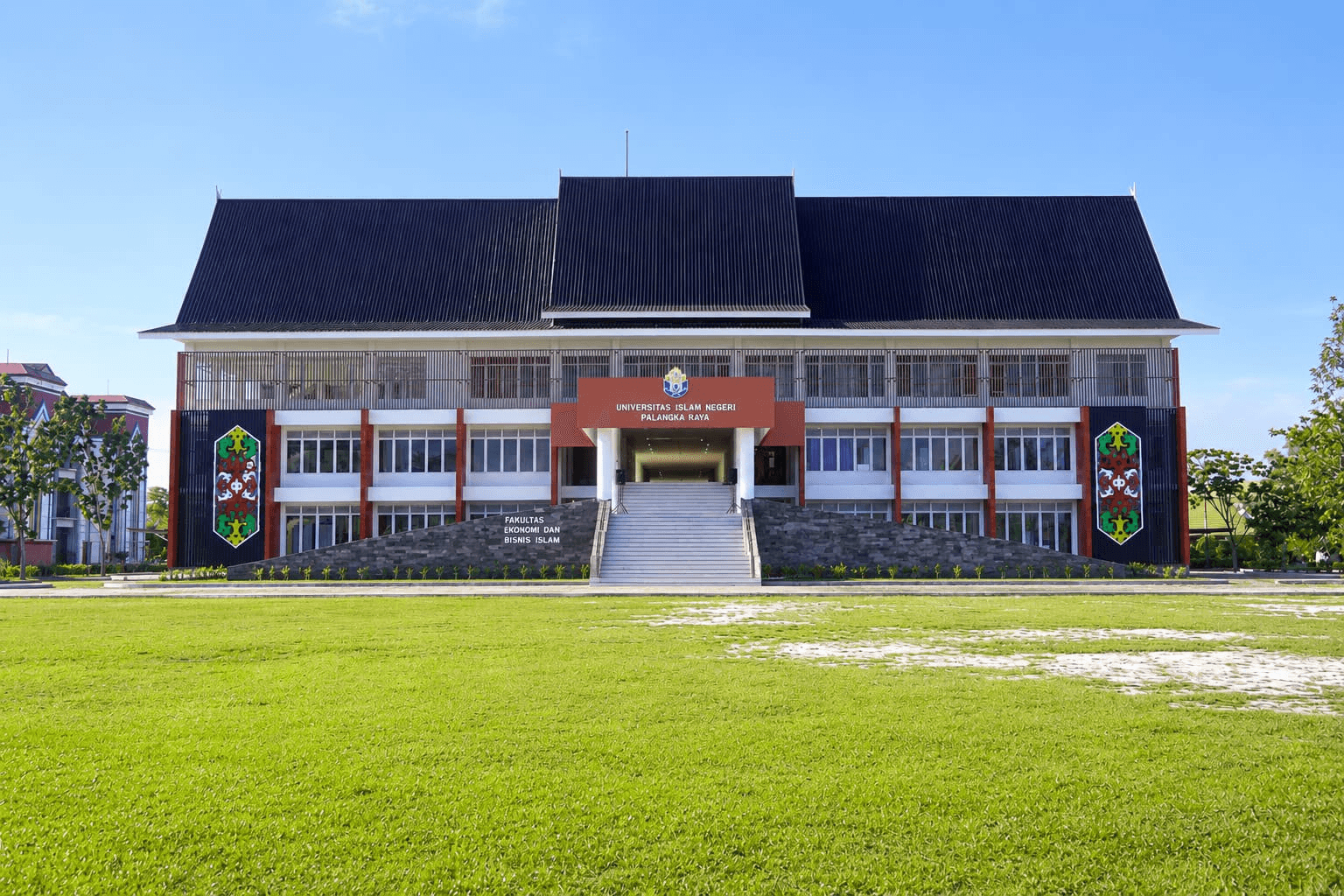
Different voices.
Connected perspectives.
INACELT 2026Reference photograph
Policy/Pedagogy/Technology/Multilingual Futures
Registration is open. Event: 19–20 November 2026. Presenter fee: IDR 25,000; participant: free. Session agendas are previews.
Changing contexts.
New conversations.
English language education is changing alongside the world around it. INACELT 2026 brings these changes into one conversation.
The conference invites dialogue on policy, classroom practice, technology, and multilingual futures across educational contexts. It offers a meeting point for research and practice, connecting global perspectives with local knowledge, inclusion, and the everyday work of educators.
Hosted byTBI (Tadris Bahasa Inggris)INACELT 2026 · International Conference
 TBI logo is a sample · INACELT logo supplied by the organizer
Sponsorship

INACELT / 2026A meeting of ideas
Aa文
01Policy02Pedagogy03Technology04Multilingual futures
Language crosses borders. Ideas meet here.
02 / Theme & subthemes
One shared theme.
Many ways to contribute.
Find the conversation your research belongs to. Open a subtheme to see its scope.
Reimagining English Language Education in a Changing Global Landscape: Policy, Pedagogy, Technology, and Multilingual Futures
01English Language Policy, Curriculum, and Educational Reform in Global Contexts
Language policy, curriculum development, educational reform, international and comparative perspectives, and the changing role of English in education across different countries and regions.
02English Language Teaching, Pedagogical Innovation, and Emerging Practices
Innovative approaches to English language teaching, learner-centred pedagogy, research-informed teaching, classroom practices, assessment, and emerging pedagogical models across diverse educational contexts.
03Global Englishes, Multilingualism, Translanguaging, and Language Diversity
Global Englishes, World Englishes, multilingual identities, translanguaging, linguistic diversity, language contact, intercultural communication, and the changing sociolinguistic landscape of English.
04Artificial Intelligence, Digital Pedagogy, and the Future of English Language Education
Generative AI, AI-assisted language learning, digital literacy, learning analytics, educational technologies, virtual and blended learning, automated feedback, and the implications of emerging technologies for teachers and learners.
05English-Medium Instruction, Internationalisation, and Global Higher Education
English-Medium Instruction (EMI), internationalisation of higher education, academic English, English for Academic Purposes, transnational education, student mobility, and the opportunities and challenges of English in global higher education.
06Teacher Education, Professional Identity, and the Changing Role of English Language Teachers
Teacher education, continuing professional development, teacher identity, teacher agency, reflective practice, classroom challenges, teacher wellbeing, and changing professional roles in diverse educational contexts.
07Language, Culture, Local Knowledge, Sustainability, and Culturally Responsive English Education
Local and Indigenous knowledge, cultural identities, values, sustainability, interculturality, culturally responsive pedagogy, decolonising approaches, and the relationship between global English and local contexts.
08Equity, Inclusion, Language Education, and Social Justice
Access to English education, inclusive pedagogy, disadvantaged and marginalised learners, gender and language education, disability, linguistic rights, educational inequality, and social justice in English language education.
09Research, Assessment, and Evidence-Based English Language Education
Innovative research methodologies, language assessment, alternative assessment, classroom-based research, corpus-based research, mixed-methods research, longitudinal studies, and evidence-informed educational policy and practice.
10English Language Education across Regions: Comparative and Cross-Cultural Perspectives
Comparative studies of English language education across Asia, Europe, Africa, the Middle East, the Americas, and Oceania; cross-cultural perspectives; international collaboration; and lessons that emerge across educational systems.
03 / Keynote speakers
Perspectives that
move the conversation.
Meet the scholars and practitioners joining INACELT 2026.

Dr. Fatima Aldajani

Assoc. Prof. Dr. Carolyn Soon Kum Yoke

Lala Bumela Sudimantara, Ph.D.

Prof. Dr. Andrew Lian
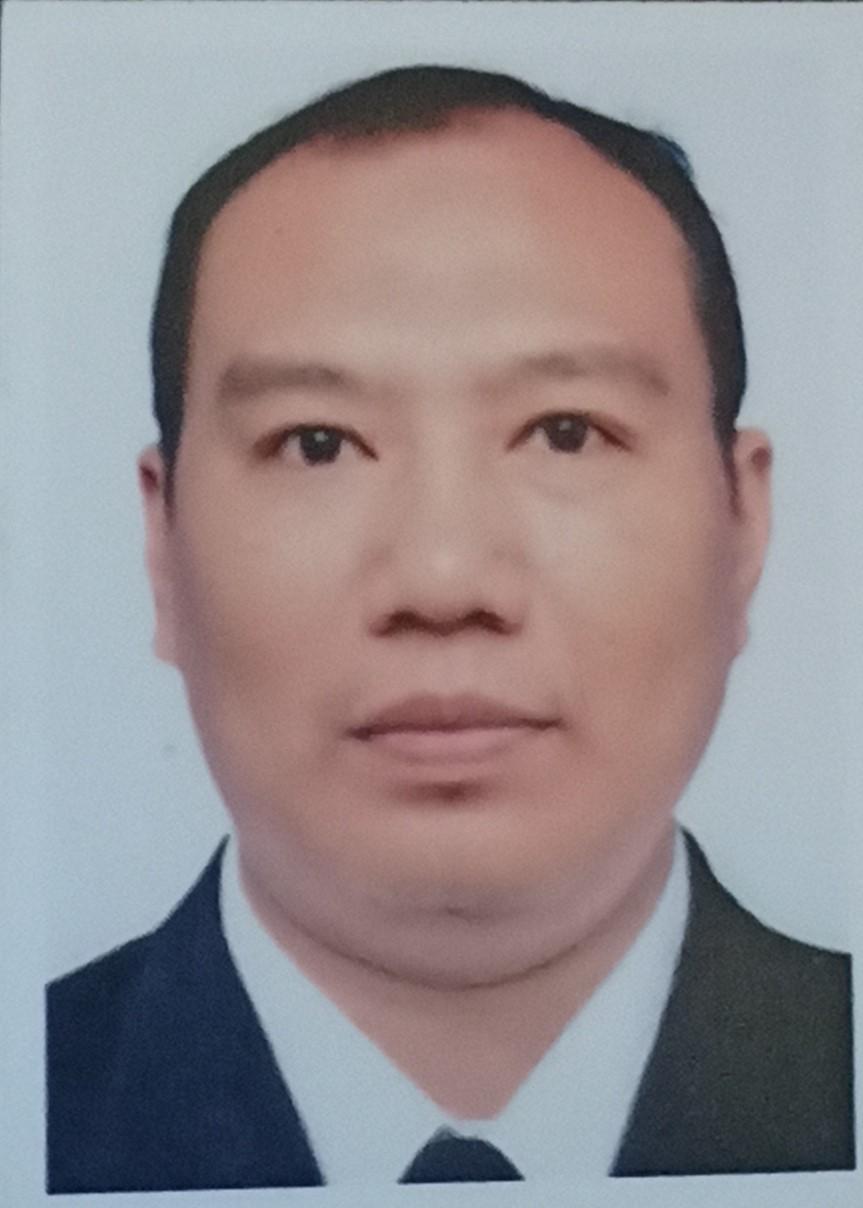
Nizamuddin Sadiq, Ph.D
GEPRIN Executive Chair Person (Universitas Islam Indonesia)
04 / Call for papers
Bring your research
into the discussion.
We invite contributions that engage with the main theme and any of the ten subthemes, from classroom inquiry to comparative and cross-cultural research.
Preparing your contribution
Sample data · not official information
- Abstract
- 250–350 words; research question, method, findings, and contribution.
- Full paper
- 4,000–6,000 words in English; anonymised manuscript for review.
- Research scope
- All ten conference subthemes
- Abstract & full paper
- Length, structure, and review criteria to be announced
- Presentation PowerPoint
- Prepare your slides before presenting and submit through the Google Form.
- Submission language
- Official requirements to be announced
- Paper template
- Available in the INACELT template Google Drive folder
05 / Important dates
Plan your
conference journey.
INACELT takes place on 19–20 November 2026. Registration closes 3 days before the event; full papers are due 1 week before the event.
- 01
Abstract submission
To be announced
- 02
Acceptance notification
7 November 2026
- 03
Full paper submission
12 November 2026 · 1 week before the conference
- 04
Registration deadline
16 November 2026 · 3 days before the conference
- 05
Conference days
Thursday–Friday, 19–20 November 2026
06 / Registration & fees
Take part in
INACELT 2026.
Whether you plan to present your research or join the discussions, presenters pay IDR 25,000 and participants attend free. An optional participant certificate costs IDR 10,000. Register through the Google Form by 16 November 2026.
Participant categories & fees
- Presenter
- IDR 25,000
- Participant
- Free
- Certificate for participant (optional)
- IDR 10,000
What registration includes
Participant attendance is free. A participant certificate is available for an optional fee of IDR 10,000. Other registration inclusions will be confirmed by the committee.
Payment information
For payment instructions, contact the organizing committee at inacelt@uin-palangkaraya.ac.id.
From conversation
to contribution.
Publication pathways for selected papers will be announced with the official call for papers.
Details will include proceedings or journal partners, the review and selection process, manuscript requirements, and any additional publication fees. Conference acceptance will not be presented as a guarantee of publication.
Sample data · not official information
- 01 / Selection
- Selected presentations are invited to submit a revised manuscript.
- 02 / Review
- Editors and reviewers assess scope, originality, and research quality.
- 03 / Decision
- Publication follows a separate editorial decision; partner titles and fees remain unconfirmed.
08 / Participants & presentation rooms
Find your name.
Find your room.
Presenters can search for their names to find their rooms and presentation times.
Registration is open
Loading directory…
Participant and presenter names will appear here, along with scheduled rooms for presenters.
09 / Organizing committee
The people
behind the gathering.

Aufa Nabila

Hafiz Anshari

Masda Egy Faradilla

Muhammad Abdul Razzaq Kurniawan

Muhammad Farhan Ihsani

Nadia Sulastri

Nor Ameliya

Nur Aisyah

Nur Annisa Fitri

Rahmat Rifandi
10 / Venue & contact
Where we meet.
How we connect.
The venue, address, and conference format will be announced here, along with a location map for on-site attendance or joining instructions for online participation.
Sample data · not official information
- Example venue
- Main Auditorium, Example Campus · Hybrid
- Parallel sessions
- Room A: Policy · Room B: Pedagogy · Room C: Multilingualism · Online 1: Technology
Venue & conference formatTo be announced
INACELT emailinacelt@uin-palangkaraya.ac.id
Contact personLuqman Baehaqi, Ph.Dluqman.baehaqi@uin-palangkaraya.ac.id
OrganizerTBI (Tadris Bahasa Inggris)
11 / Frequently asked questions
A few things
you may be wondering.
How do I submit my paper?
Submit your abstract, full paper, and presentation PowerPoint through the submission Google Form. Use the INACELT template and prepare your PowerPoint before your session.
What are the registration fees?
The presenter fee is IDR 25,000. Participants attend free. An optional participant certificate costs IDR 10,000. Registration closes on 16 November 2026; contact TBI for payment instructions.
Can I present online?
The conference format is yet to be confirmed. If online presentation is available, eligibility and joining instructions will be shared with registered participants.
Will I receive a certificate?
A participant certificate is optional and costs IDR 10,000. Participant attendance is free; the presenter registration fee is IDR 25,000. Contact the organizing committee for payment instructions.
Where can I find my presentation room?
Use the Participants & Presentation Rooms directory to search your name or paper title after assignments are published. Private online joining links will be shared separately.
Does acceptance guarantee publication?
Publication is subject to the announced review process and partner requirements. Details of selection, fees, and publication venues will be shared when confirmed.
12 / Submission & event schedule
Your research.
Ready to present.
Submit through the Google Form. Presenters should have their presentation PowerPoint ready for their session.
01
Abstract
Introduce your research question, method, and findings.
02
Full paper
Submit 1 week before the conference.
03
PowerPoint presentation
Prepare and submit your presentation slides.
Session programme is a preview; event dates are confirmed.
Thursday, 19 November 2026
Opening & keynote sessions
Welcome from TBI, keynote speakers, and research discussions. Session times to be confirmed.
Friday, 20 November 2026
Presentations & closing
Paper and PowerPoint presentations, participant discussions, and closing session. Session times to be confirmed.
Different perspectives.
A shared conversation.
Join the conversation on the future of English language education.